


The Herringbone Lacing Pattern
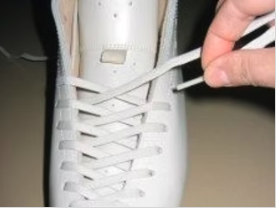
The Herringbone pattern is the most commonly used and is the one we recommend. This allows the boot to be held firmly and offers the flexibility to spread the tension as required throughout the length of the boot.
Threading the Laces
The laces should be passed over the eyelets and threaded from the outside to the inside.
Horizontal Lacing Benefits
This allows the lace to be pulled horizontally and offers three main advantages:
- No direct pressure on the instep
- The lace can hold the foot firmly and evenly
- The laces are self-locking at every phase, which helps stop them coming undone

Ankle Hook Lacing
At the ankle area where the hooks are, we recommend laces are threaded from the inside over the hook, around the outside to the bottom and then up to the next hook.
This will ensure:
- A uniform inward pressure on the hook – keeping the laces tighter
- The lace can self-lock on every hook and help prevent loosening
- Direct pressure is applied to the boot rather than the leg
- A 'V' shaped closure forms at the top allowing the ankle to bend more easily to maximise skater flexibility and performance

The 'Egg Timer' Pattern
The heel area is the part of the foot that controls the skate and it is essential that the heel is kept in place during skating. For this reason we recommend that rather than even tension throughout the lace, an 'egg timer' pattern is followed as this ensures correct foot position and maximum flexibility.
- At the toe end of lacing the laces should be slightly looser to facilitate toe movement
- Laces should then be pulled tighter across the instep to keep the heel securely in place
- This will allow the laces to be looser across the ankle to allow the leg and foot to bend
- Once the boot is laced properly you can check the tension by running your fingers over them, they shouldn't move

Boot Care & Maintenance
When taking the boot off, loosen the laces ALL the WAY DOWN, so releasing tension off the boot to ensure it maintains its perfect fit.
Important Care Tips:
- Ensure you dry the blades and boots after each time you wear them
- Do not leave the blade guards on the blades - rather use soft absorbent soakers to protect the blades when not in use
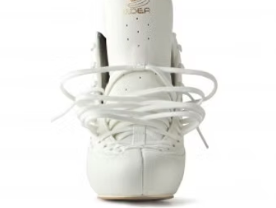
Remember: Properly laced skates are essential for both performance and injury prevention. Take the time to lace your skates correctly every time you skate!